Covina highlight
Strong residential character
After World War II, Covina transformed from citrus groves into a family-oriented suburban community of nearly 48,000 residents.
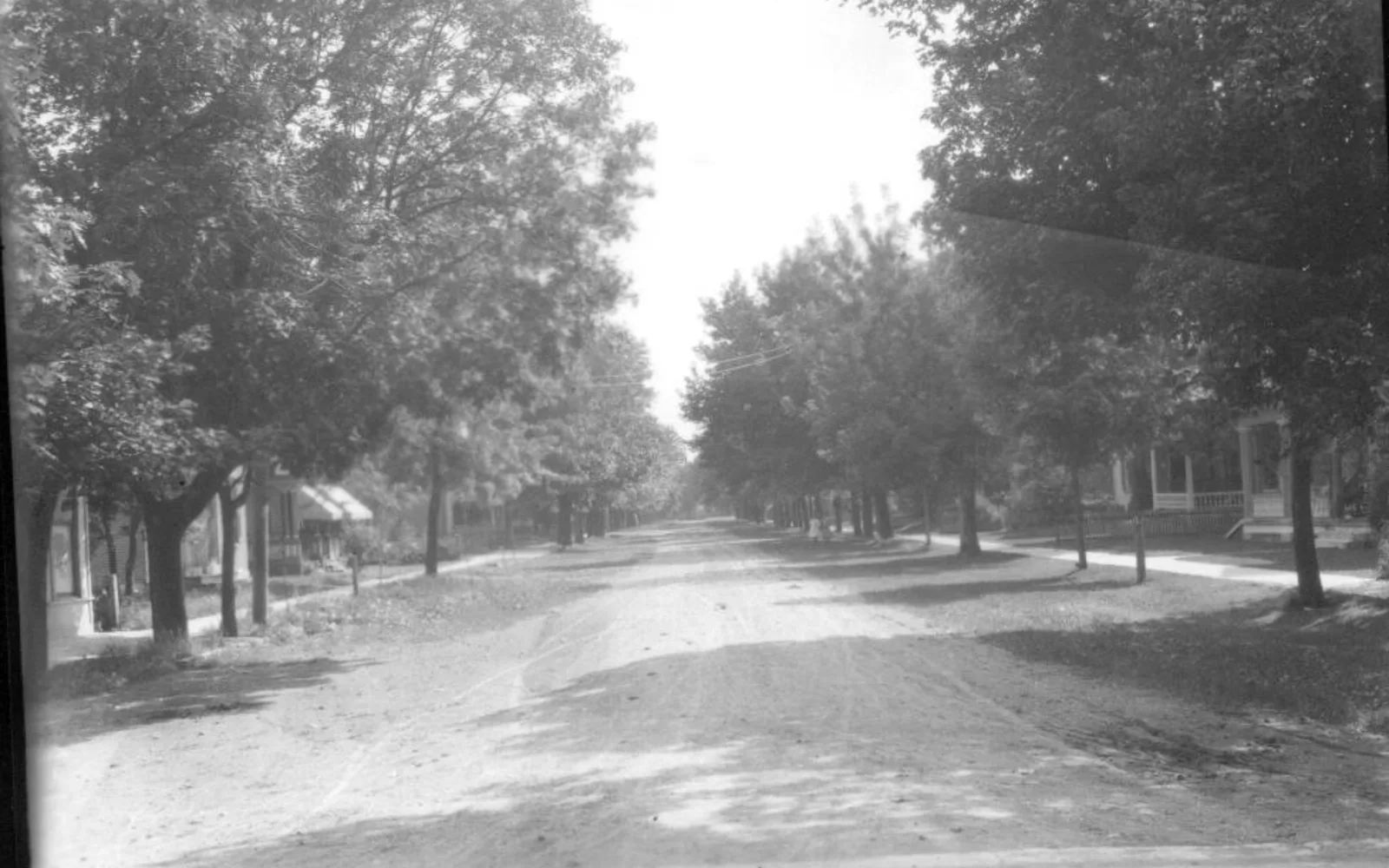
In the early 1900s, Covina was famous for citrus cultivation. The city claimed to be the third-largest shipping point for oranges in the world by 1907, and lemon and orange groves filled the valley landscape. After World War II, as Los Angeles expanded eastward, those agricultural lands were replaced with residential neighborhoods designed to house returning veterans and growing families seeking space, schools, and community.
That transformation shaped Covina into a residential city of neighborhoods where families rent, buy homes, build businesses, and raise children. The city spans seven square miles with a current population of approximately 47,880 residents. Local government and community organizations emphasize family-friendly services, parks, schools, and entertainment, from the renovated downtown performing arts center to recreational facilities and traditional local events.
A residential community like Covina exists because families decided this was where they wanted to plant roots. Mortgages, children at home, years of income-building—that's when insurance needs are sharpest. Covina families understand that protecting what you've built requires planning, which is where term life coverage enters the picture.